Meliá Hanoi: Renovated Ballrooms Host Weddings for Up to 800 in Capital's Heart
Two renovated ballrooms, ten function rooms and 2,406 square meters of event space sit a short distance from Hoan Kiem Lake, giving couples in Hanoi a central address that scales from a family lunch to a reception for hundreds.
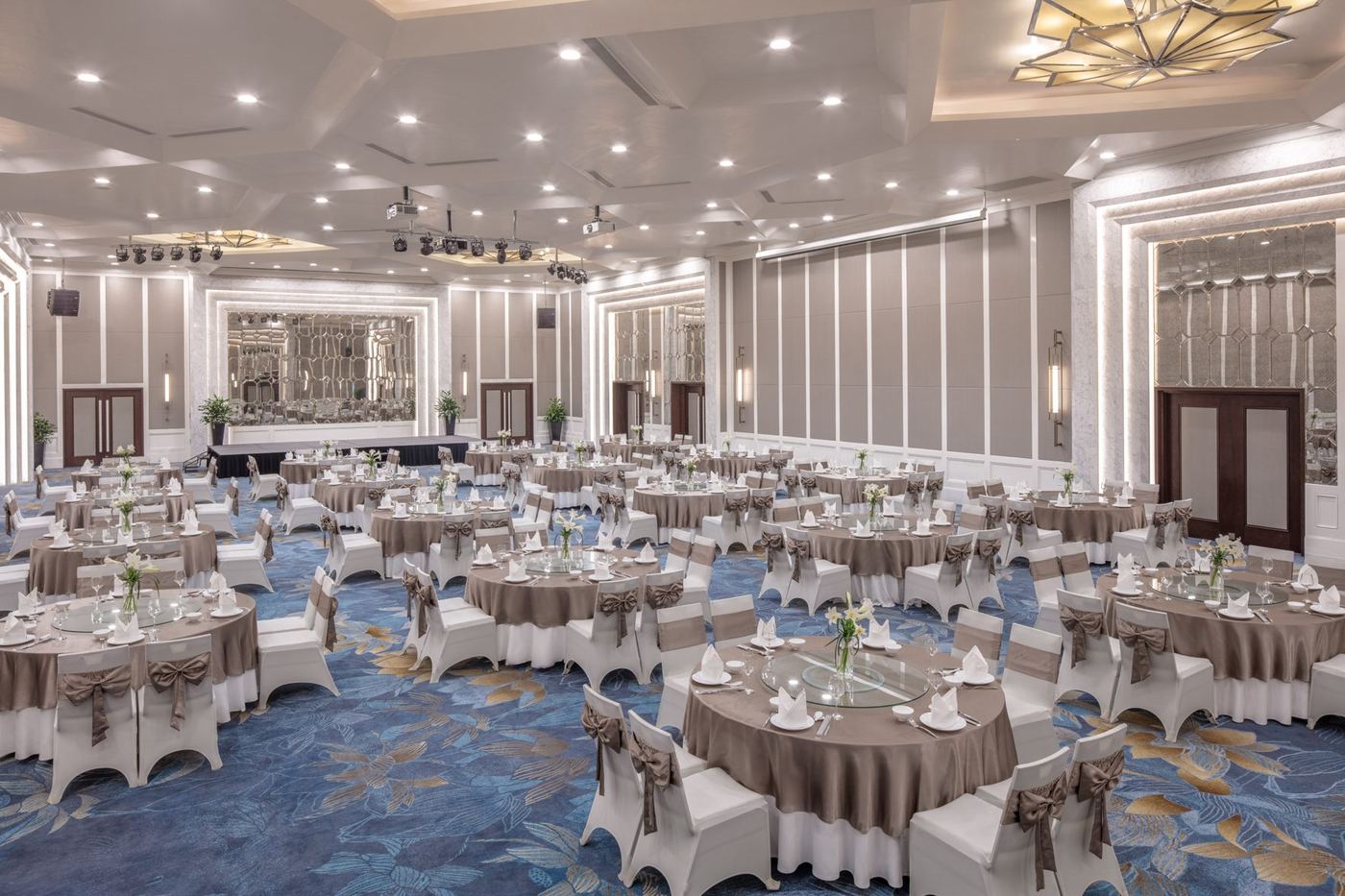
Four private elevators serve the Thang Long Ballroom at Meliá Hanoi, and on a wedding day that detail turns out to matter more than almost anything else in the building. A couple can reach the room without crossing a busy lobby. Elderly relatives are not asked to navigate a crowd. Photographers get a clear run between the suite and the ceremony. It is a small piece of engineering that quietly solves one of the least romantic problems in wedding planning, and it says a good deal about how this hotel thinks about hosting people.
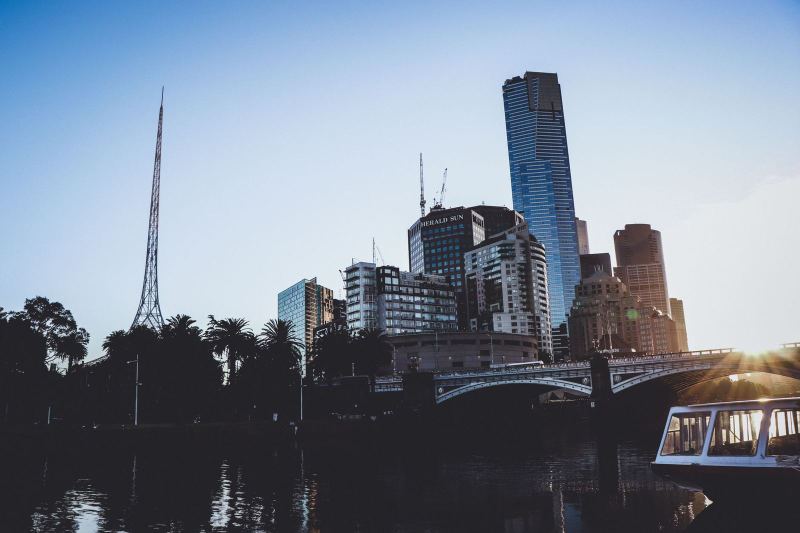
Meliá Hanoi sits at 44B Ly Thuong Kiet Street in Cua Nam Ward, in the part of the capital where government buildings, embassies and the old French quarter meet. Hoan Kiem Lake, the Hanoi Opera House, the Temple of Literature and the Old Quarter are all close by. For a wedding, that geography does real work. Guests flying in can be at the hotel quickly from the airport, relatives arriving from other districts are not fighting across the city, and anyone with a free afternoon can walk out the door into Hanoi itself rather than waiting in a lobby for the evening to begin.
Two ballrooms, two very different celebrations
The hotel completed a full renovation of its event spaces in 2023, and the result is a portfolio that covers an unusually wide range of wedding sizes.
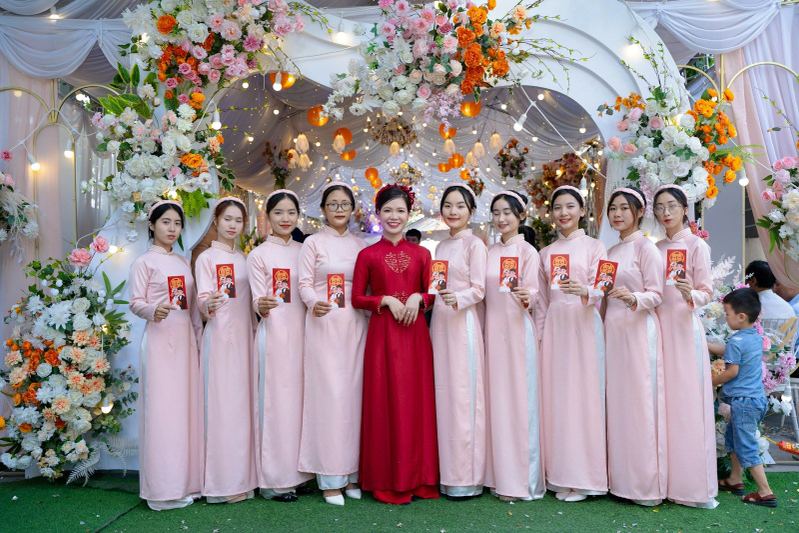
The Grand Ballroom is the larger of the two, at 1,007 square meters. It holds up to 1,200 people theatre style and seats up to 800 guests for a banquet, which places it among the bigger wedding rooms in central Hanoi. It also divides into three separate rooms, which is more useful than it sounds. A couple can hold a tea ceremony in one section, a cocktail hour in another and the reception in the third, without ever moving guests to a different floor.
The Thang Long Ballroom is the more intimate option, seating up to 360 guests for a banquet and holding up to 540 theatre style. Both rooms came out of the 2023 refurbishment with new carpets, new furniture and a lighter interior scheme built around a crisp white palette. White is a practical choice for weddings. It takes color from flowers, linen and lighting rather than fighting them, so a room can look completely different for a traditional Vietnamese celebration in the afternoon and a black tie dinner the same evening.
Between them, the two ballrooms and ten additional function rooms make up eleven event spaces, 2,406 square meters, and a combined capacity of 2,386 people.
The rooms that hold everything else
Most of a wedding is not the reception. It is the family lunch the day before, the room where the bride gets ready, the corner where the planner sets up, the quiet space where the groom’s parents receive guests. Meliá Hanoi’s ten function rooms are sized for 70 to 200 seated guests, which covers nearly all of that, and two executive boardrooms on the twentieth floor seat up to twelve each for the small, practical conversations that surround any large celebration.
Couples planning a multi-day program tend to feel the benefit here. Ceremony, reception, morning-after brunch, guest accommodation and the planning meetings that precede all of it can happen in one building, which removes a category of logistics that usually eats a planner’s week. It is also the kind of venue where the banquet team has done the sequence many times before, which is worth more on the day than any single feature of the room.
Dining built for a long day
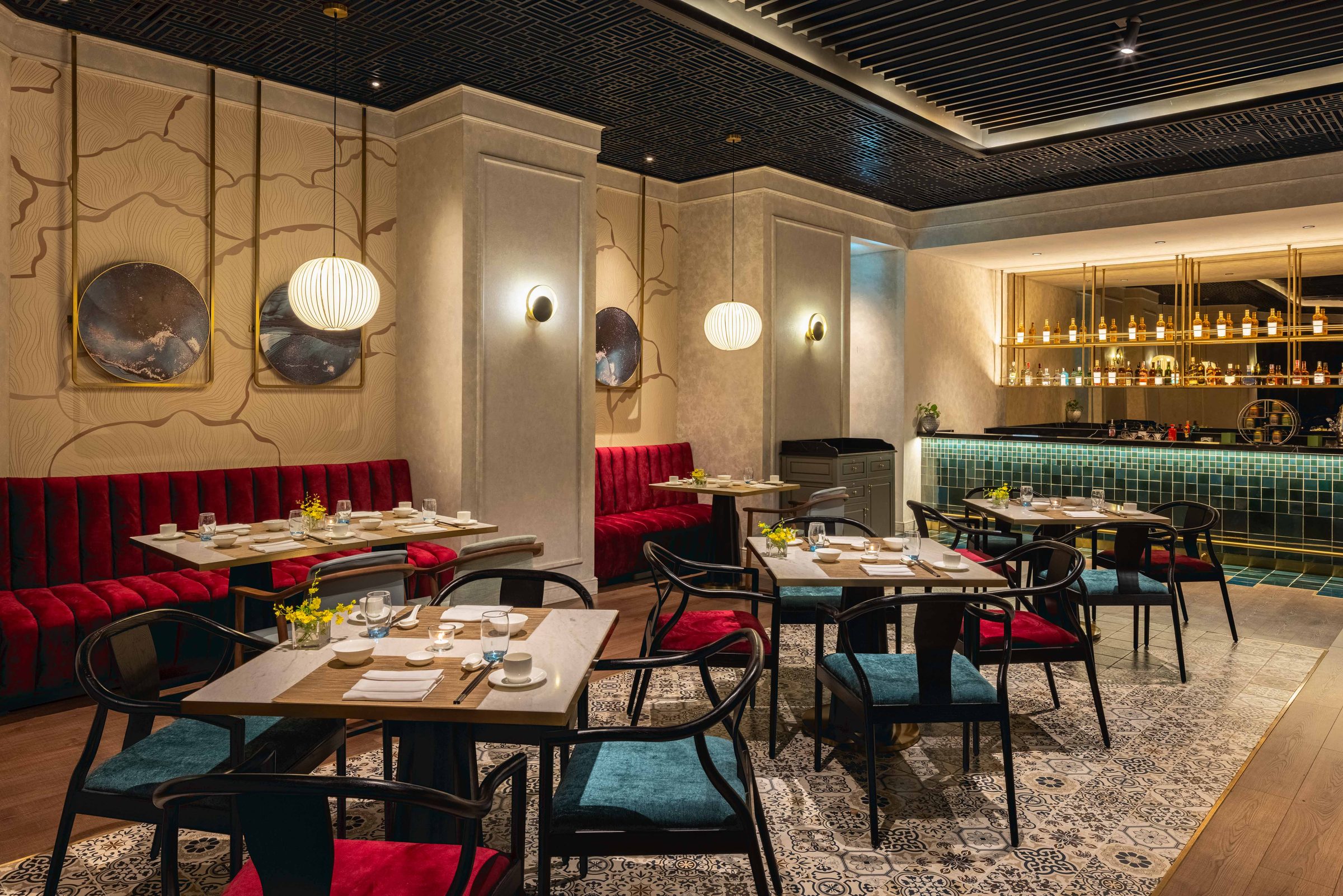
Food is where a wedding either flows or stalls, and the hotel’s restaurant lineup gives couples several distinct registers to work with. Mosaico is the all-day dining room, serving Mediterranean and international dishes with live cooking stations, and it suits the informal parts of a wedding weekend well: the arrival lunch, the breakfast where everyone finally meets. Cham handles Cantonese cuisine and dim sum, which is the natural choice for the formal family meals that carry so much weight in Vietnamese weddings. Garbo Bar sits in the lobby with a 1950s Hollywood-inspired design and is the obvious place for guests to keep talking after the reception ends.
Having three separate venues under one roof matters for a reason that is easy to overlook. It means the celebration can change tone through the day without anyone getting in a car.
Where the families stay
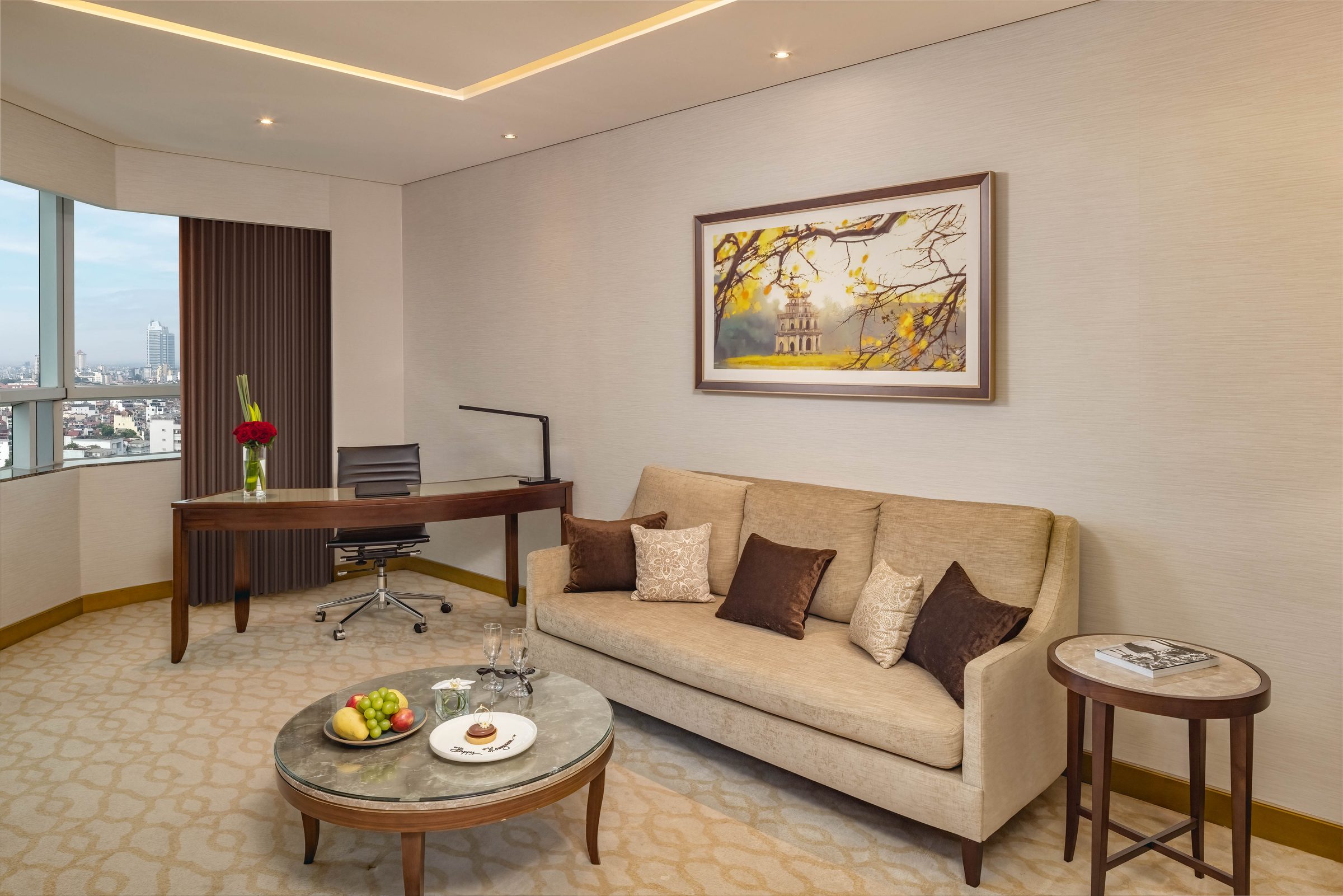
The hotel has 306 guest rooms across its floors, enough to hold a large wedding party and its out-of-town guests in one place. At the top of the range, the Grand Suite runs to 135 square meters and the Presidential Suite to 168 square meters, both redesigned in soft grays, taupe, cream and gold. Either works as a getting-ready room with space for a photographer, a stylist and a nervous family, which is not something every suite can claim.
The Level, the hotel’s executive floor, adds a private lounge with breakfast, afternoon tea and evening canapés, along with a dedicated concierge and its own meeting room. For a couple, it is a useful place to put parents and VIP guests, or to disappear to for twenty minutes when the day gets loud. An open-air pool and a remodeled fitness center round out the stay, and they earn their place on a wedding weekend more than a brochure might suggest, when guests arrive a day early and need somewhere to be.
What this venue is good at
Meliá Hanoi will not suit every couple. It is a large urban hotel rather than a garden estate or a lakeside villa, and couples who want their ceremony under open sky should look elsewhere. What it does offer is unusually clear: a central Hanoi address that guests can find, two ballrooms that between them handle almost any guest count from 70 to 800 seated, ten more rooms for everything happening around the main event, three dining venues with genuinely different personalities, and enough accommodation to keep the whole party together.
For couples who are bringing families in from several cities or several countries, that combination is worth a great deal. The wedding stops being a series of separate bookings and becomes a single, manageable weekend in one place, which leaves more of the day free for the part that actually matters.
Two newsletters, one newsroom.
The Vow brings you Asia’s most beautiful weddings and smartest planning advice every week. The Wedding Business Brief keeps the industry current twice a month. Both are free.