Bali Water Crisis: Demand Doubles Supply, Threatens Weddings
New data from the Bali Zero Emissions Coalition reveals annual water demand double supply. These environmental shifts could reshape wedding planning across the island.
Bali Faces Growing Environmental Pressures
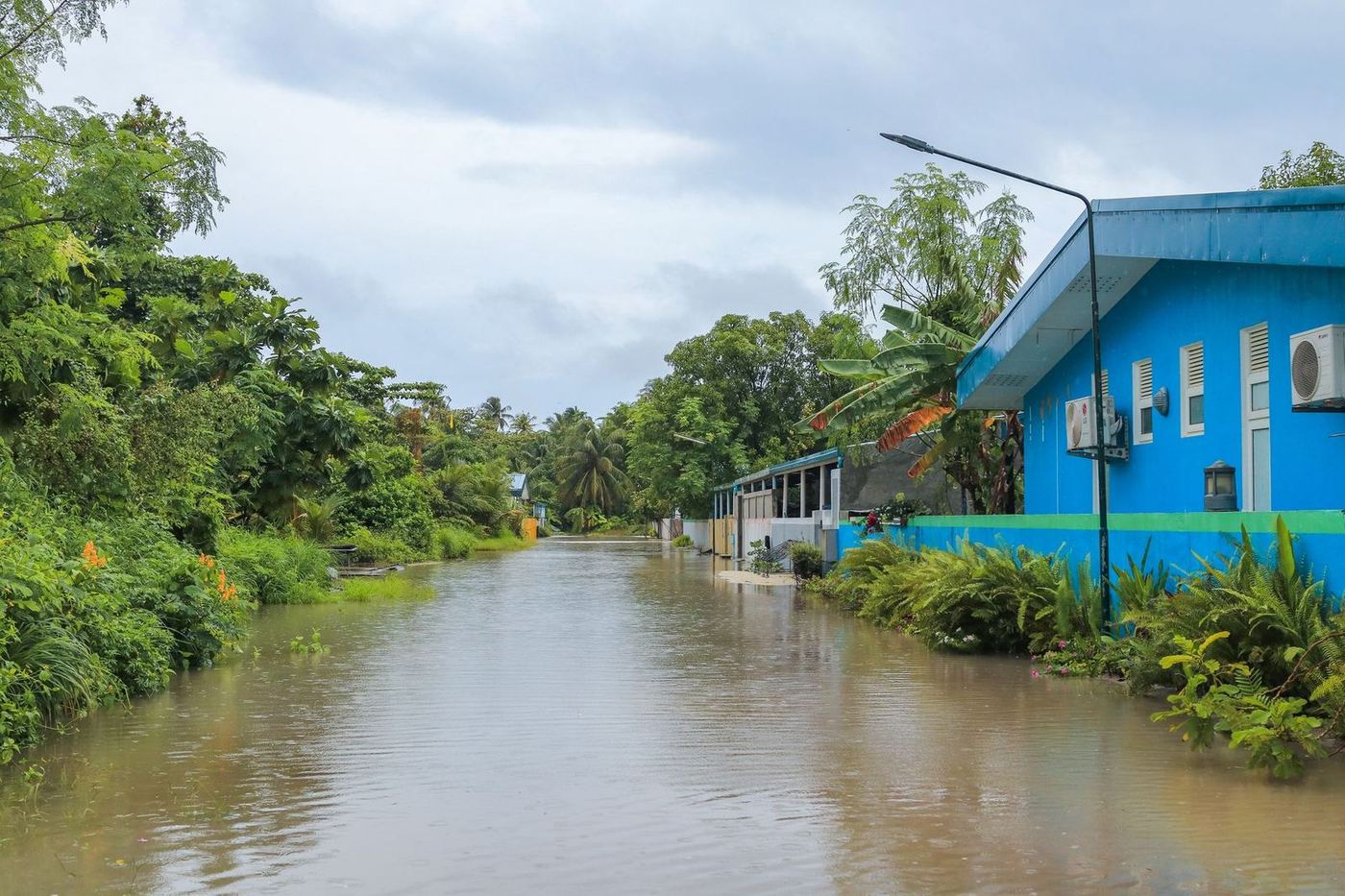
Bali is experiencing significant environmental challenges due to global climate change, according to insights from the Bali Zero Emissions Coalition. The island faces increasing risks of flooding and severe water scarcity. Annual water demand in Bali stands at 4.06 billion cubic meters, yet only 2.07 billion cubic meters are available each year.
This deficit puts pressure on Bali’s natural resources, which are central to its economy. The Coalition, a collaborative effort supporting Indonesia's net-zero carbon emissions goal by 2045, emphasizes the need for urgent action to secure the island's future.
Varied Climate Impacts Across the Island
Climate change impacts are not uniform across Bali but vary by region. Urban areas like Denpasar and Badung must prepare for rising risks of urban, flash, and coastal flooding. In highland zones such as Bangli and Karangasem, shifting weather patterns increase landslide vulnerability and affect upstream water sources.
Dry coastal regions, including Buleleng and North Karangasem, contend with seasonal droughts, coastal erosion, and rising sea levels. Projections suggest sea levels could cause permanent coastal inundation with depths over two meters by 2045.
Aisyah Madeleine, Communications Specialist for the Bali Net Zero Emissions Coalition, noted that these climate risks are intensifying island-wide.
Tourism Sector's Reliance on Natural Resources
Bali's economy heavily depends on nature-based sectors, with tourism contributing approximately 21 percent of its Gross Regional Domestic Product (GRDP). This reliance makes the island's economic stability vulnerable to environmental changes. The tourism sector is also linked to about 50 percent of local small and medium-sized businesses.
High greenhouse gas emissions, primarily from the energy sector (93.02 percent), and increasing household waste volumes further compound Bali’s climate issues. The Bali Zero Emissions Coalition is driving cross-sector climate action to address these risks and achieve the island’s net zero emission target by 2045.
Planning Bali Weddings Amidst Environmental Shifts
These environmental factors directly influence venue selection and optimal wedding timing in Bali. Couples planning destination weddings should consider the seasonal weather patterns, potential for water restrictions, and the resilience of their chosen venues. Understanding how climate risks might affect logistics, guest comfort, and the overall celebration is crucial.
The Bali Zero Emissions Coalition’s efforts to strengthen climate policies and develop local solutions aim to mitigate these challenges. Couples should discuss these environmental considerations with their wedding planners and venues to understand potential impacts on their celebration.
Two newsletters, one newsroom.
The Vow brings you Asia’s most beautiful weddings and smartest planning advice every week. The Wedding Business Brief keeps the industry current twice a month. Both are free.