China's Fashion Shifts: Quiet Luxury Redefines Asian Bridal Strategies
Independent fashion brands in China now navigate increased competition and discerning consumer spending. Success requires a clear brand identity, community engagement, and an embrace of quiet luxury aesthetics. These changes reshape bridal fashion across Asia.
China's Evolving Fashion Landscape
China's fashion market presents a complex landscape for independent brands. Increased competition comes from both Western brands expanding and local labels gaining prominence. Consumers today are highly informed, accessing brands globally. Tasha Liu, founder of Labelhood, a retail platform for emerging brands, states that being international is no longer sufficient.
Brands must show a clear point of view, communicate consistently, and build lasting relationships. Multi-brand boutiques have expanded beyond major cities, now offering a diverse global mix. Dongliang and B1ock serve as benchmarks for overseas brands.
The Rise of Quiet Luxury
A wider economic slowdown and cautious consumer spending influence purchasing habits. Shoppers increasingly favor labels focused on material and craft over overt logos. Dongliang, an influential multi-brand retailer, notes popularity for fabric-focused artisanal labels like Auralee and Rier.
Kea Duan, Dongliang's PR, explains that local consumers have grown sophisticated, understanding brand narratives and values more deeply. Sophia Dumenil, co-founder of The Chinese Pulse, a consultancy, connects this shift to Confucian values of modesty and restraint. Consumers research more, compare more, and prioritize authentic brand stories.
Building Community Connections
Engaging consumers as a community, not just a market, is crucial for brands in China. Labelhood's Tasha Liu advises overseas brands to move beyond traditional retail. Pop-up events, gatherings, and special projects help build direct cultural connections. Jonathan Lee, an Asian fashion market expert, suggests targeting specific sub-communities rather than a monolith.
Brands should align with existing labels while distinguishing themselves. Samuel Gui Yang, a London and Shanghai-based brand, has hosted showrooms for a decade and will open its first Shanghai store this October. ENG Concept Store's event with Walter van Beirendonck attracted fans from Singapore and Japan, showing strong community interest.
Implications for Asian Bridal
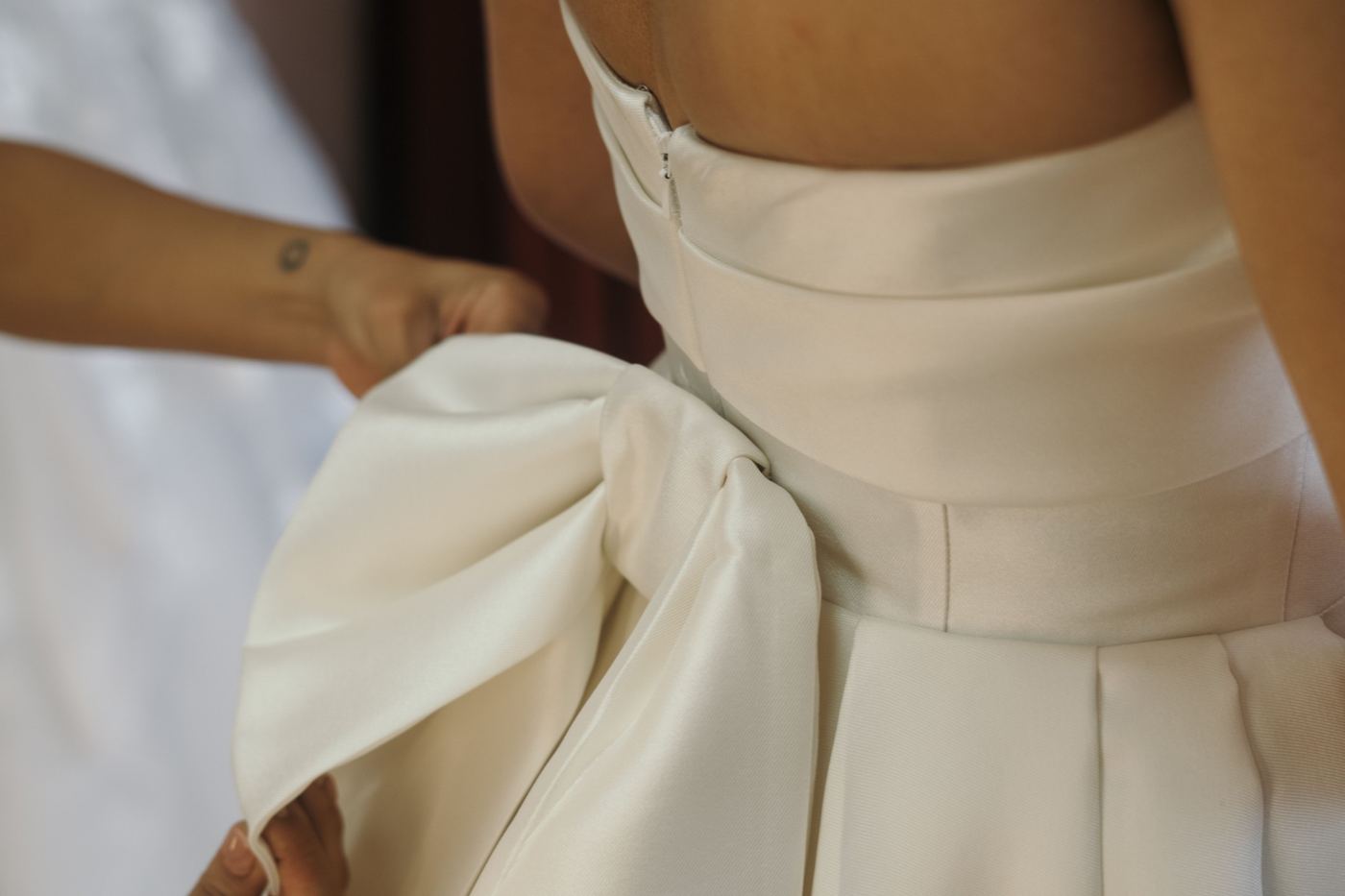
These shifts in China's fashion market directly influence bridal fashion across Asia. For Asian bridal designers, this means a greater emphasis on craftsmanship, material quality, and distinct brand narratives. Boutiques may curate more niche, artisanal bridalwear labels, moving away from mass-produced styles.
Couples planning weddings in Asia will seek gowns and accessories that reflect personal values and thoughtful design, rather than just status symbols. The focus on community engagement encourages bridal brands to create intimate experiences, fostering deeper connections with their clientele. This trend drives a more discerning and personalized approach to wedding attire throughout the region.
Two newsletters, one newsroom.
The Vow brings you Asia’s most beautiful weddings and smartest planning advice every week. The Wedding Business Brief keeps the industry current twice a month. Both are free.